
The BIR does not only look at your annual or quarterly tax returns—it expects proper books of accounts that show how you arrived at those numbers. For MSMEs, “books” means organized, chronological records of transactions, not a shoebox of receipts.
Whether you use manual ledgers or cloud accounting, the goal is the same: complete, accurate, and auditable records that support VAT, percentage tax, and other filings.
Core books MSMEs typically maintain
- General ledger — chart of accounts with debits and credits per transaction
- General journal — chronological record of entries (often automated in software)
- Sales book / sales journal — taxable and non-taxable sales as applicable
- Purchase book / purchase journal — purchases and expenses with tax detail for VAT registrants
- Cash receipts and disbursements books — if required for your business type and registration
Read: How to simplify BIR reports preparation.
Registration of books and formats
The BIR has rules on registering books of accounts (manual or computerized). Many MSMEs now use computerized accounting systems that generate BIR-acceptable reports. When you adopt new software or change format, follow current registration procedures—your accountant usually handles this.
Tip: If you migrate from spreadsheets to Oojeema, plan the cutover date and keep a read-only copy of the old file for historical lookups.
What belongs in every book entry
Each business transaction should be traceable:
- Date and reference number (invoice, OR, voucher)
- Description and counterparty (customer/supplier) where relevant
- Amount and tax treatment (VATable, exempt, zero-rated, etc.)
- Supporting document stored (PDF scan, e-invoice, etc.)
Retention: how long to keep records
BIR record-keeping rules generally require keeping books and supporting documents for at least 10 years from the day records are made. Digital backup (separate from your live system) protects against data loss and audit requests.
Books vs. tax returns
Your 2550Q, 2551Q, and SLS/SLP should reconcile to book totals. When they do not, you spend deadline week fixing mismatches instead of running the business.
Cloud books with Oojeema
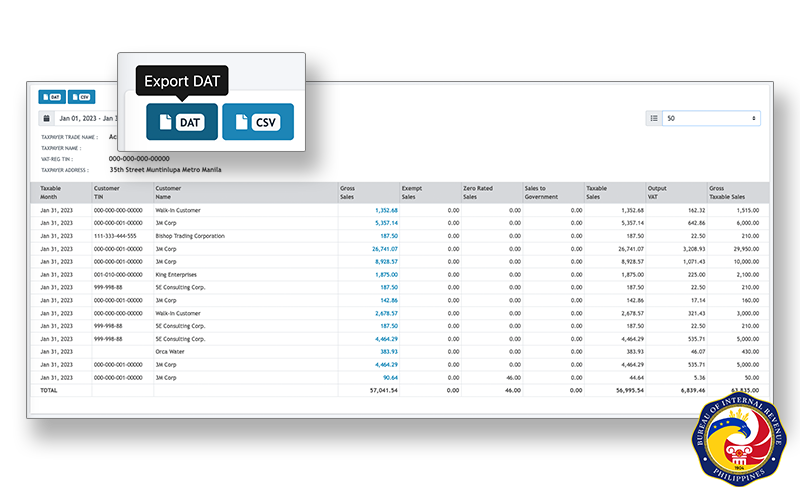
Oojeema maintains Philippine-style books and generates BIR forms and DAT files from the same data. See BIR Forms & Reports and start a free trial.
*General information only. Requirements vary by taxpayer type—confirm with the BIR or your CPA.*
Computerized vs. manual books today
Most new MSMEs start with computerized books registered with the BIR. Cloud systems like Oojeema generate ledgers and BIR reports from the same database, reducing transcription errors that manual books invite.
Audit readiness without panic
When books are current, an audit letter is manageable: pull GL, VAT summaries, and supporting invoices by period. When books are reconstructed only for audits, cost and risk rise sharply.
Who signs off on your books
Owners should review trial balance monthly; CPAs review before filing. Clear sign-off prevents “I thought you recorded that” gaps at BIR deadline.
Quick FAQ
Do micro businesses need formal books? — Yes, if registered with the BIR; the format depends on registration and revenue rules.
Can my accountant keep books off-site? — Books must be available for BIR inspection; cloud export satisfies most computerized requirements when registered.
